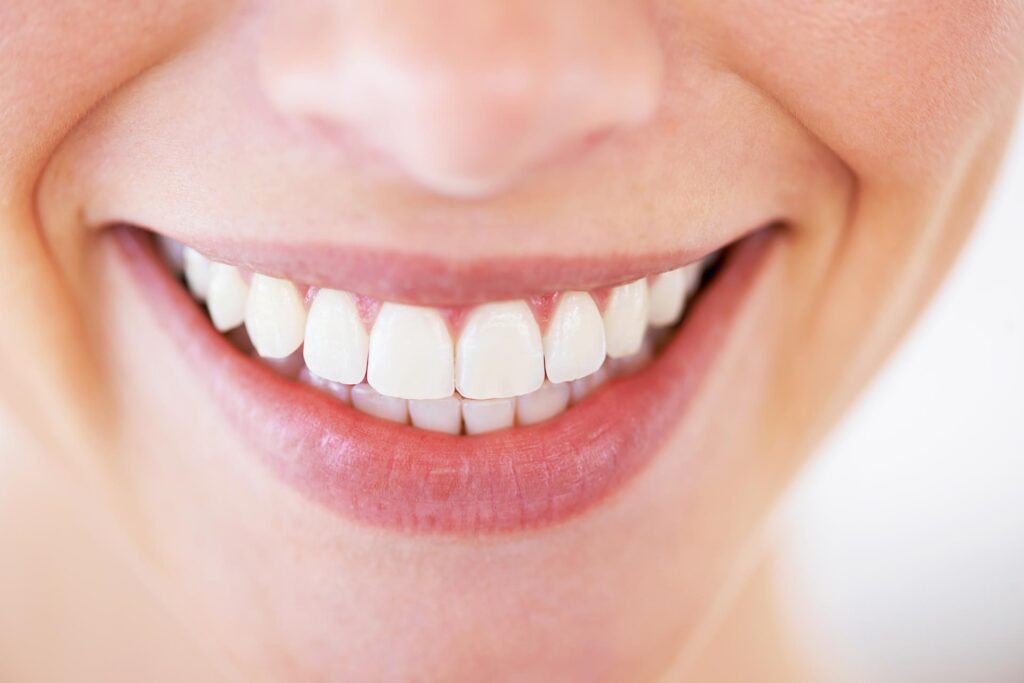





Proper oral hygiene directly affects overall health and is the foundation of a beautiful and healthy smile throughout life. Healthy teeth and gums positively influence a person’s physiological, psychological, and social well-being.
The mouth contains billions of bacteria, consisting of hundreds of species — some beneficial, others harmful to dental health. Bacteria accumulate in gaps between teeth, on the tongue, the palate, the oral mucosa, and around the teeth and gums. Harmful bacteria feed on sugar and carbohydrates, multiply, and cause tooth decay (caries) and gum disease.
Healthy teeth are firmly anchored in their sockets by the gums and jawbone. When bacterial dental plaque progresses, it causes gum inflammation, and if untreated, leads to bone tissue damage that supports the tooth.
Like all personal hygiene items, oral care products should be used individually to prevent the transmission of infections.
Teeth should be brushed twice a day using a soft-bristled toothbrush, at a 45° angle, with gentle up-and-down motions, cleaning the front, back, and chewing surfaces.
After each use, the toothbrush should be kept clean, and it is recommended to replace it every 3 months.
For early signs of caries, fluoride toothpaste is recommended.
Dental floss is used to clean the spaces between teeth, where the toothbrush cannot reach, removing plaque and food debris.
Tongue cleaning with a brush or tongue scraper removes bacteria that cause bad breath. For enhanced hygiene, a mouthwash can also be used.
Reducing the intake of sugar in food and beverages decreases acid production in the mouth, prevents rapid growth of harmful bacteria, and reduces the risk of cavities and gum disease.
Drinking water stimulates saliva production and supports various body functions. Additionally, fluoride in water helps prevent cavities.
Alcohol and smoking accelerate tooth destruction and cause bad breath.
Frequent consumption of tea and coffee may lead to tooth staining and affect aesthetics.
Avoid biting or chewing hard objects. Foods that require chewing stimulate saliva flow, which contributes to the natural self-cleaning of the mouth.
Regular dental checkups twice a year ensure early diagnosis and treatment of possible dental issues, maintaining overall oral health.
Regardless of age or gender, it is important to maintain good oral hygiene to prevent disease.
Between birth and age 3, primary (baby) teeth develop. Cavities or premature loss of baby teeth affect the health of permanent teeth that will erupt during childhood.
Good oral hygiene habits formed in childhood contribute to healthy smiles and strong teeth in adulthood.