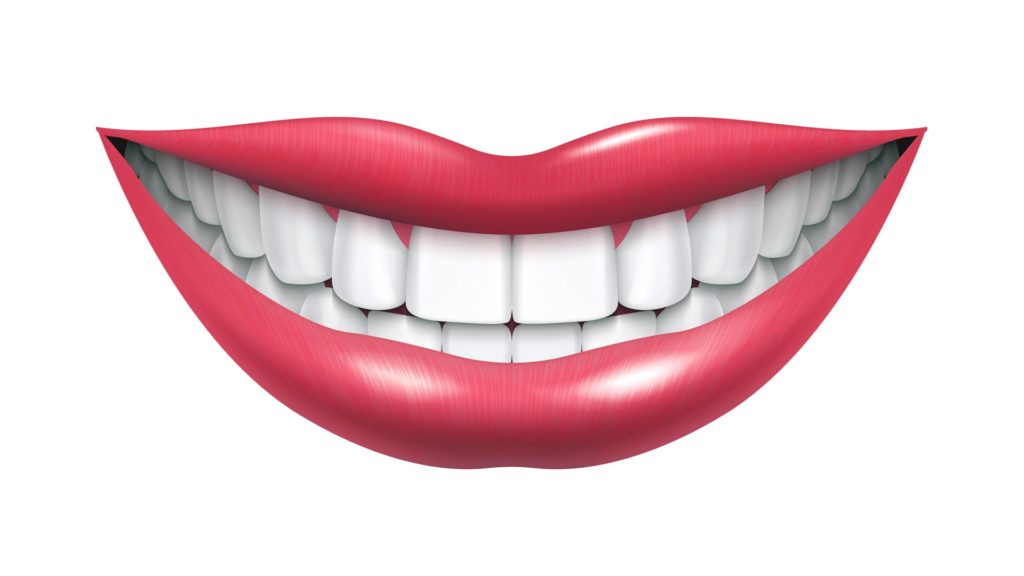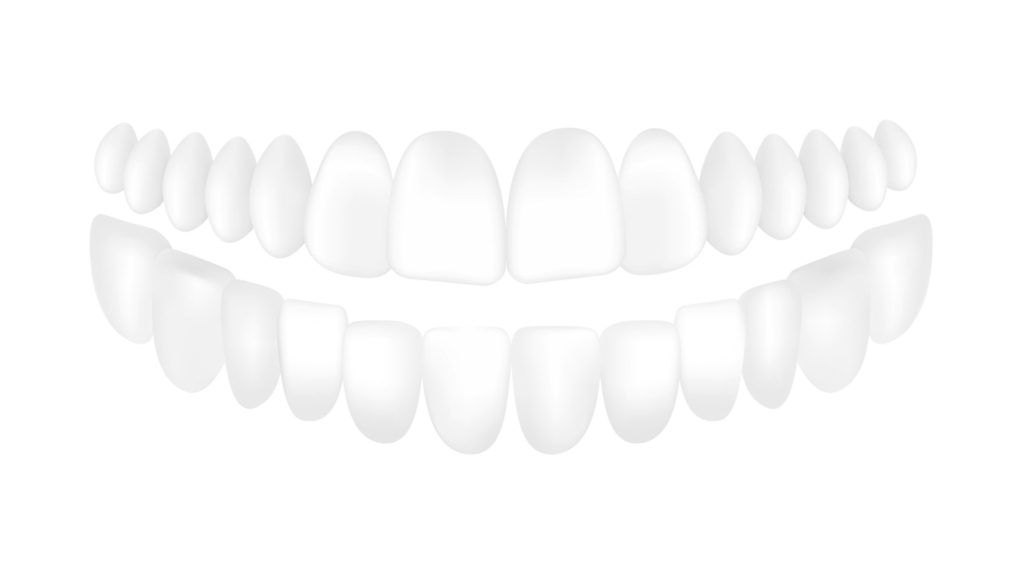




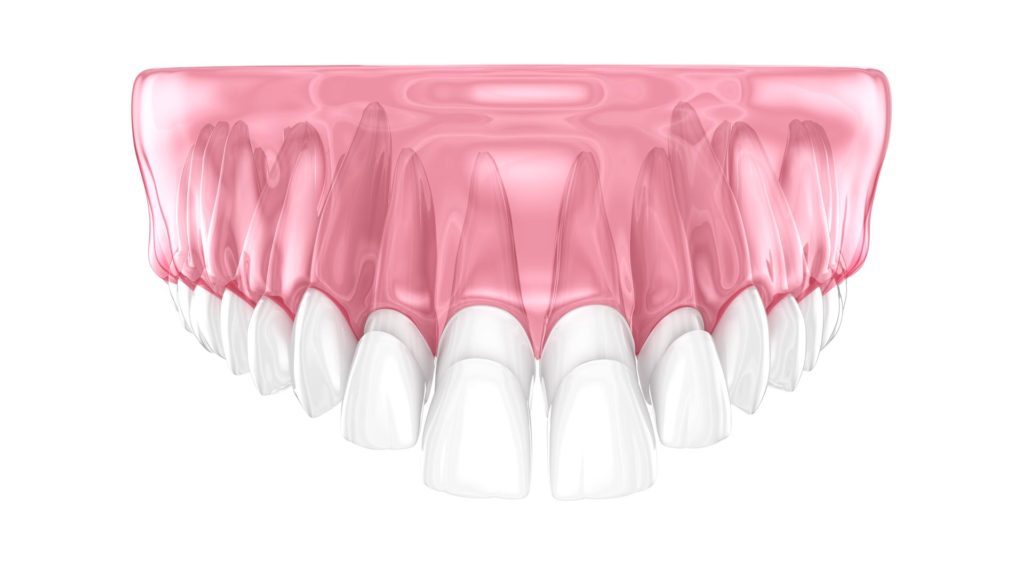
Dental veneers are thin shells made of composite resin or ceramic, individually designed in shape, texture, and color using smile design technology. The specific type of veneer is selected after a detailed examination and assessment of your teeth. Veneers create a new visible surface of the tooth, improving the appearance of one tooth, several teeth, or the entire smile. Since veneer color is matched as closely as possible to your natural tooth shade, it is possible to apply veneers to just a few teeth or to all teeth without aesthetic issues.
Before starting veneer treatment, we recommend consulting your dentist to determine whether the procedure is suitable for your teeth. The dentist will perform an examination, evaluate the suitability of veneers, and propose the best approach. The process includes a general oral examination, reviewing dental history, and assessing gum health. Finally, a treatment plan is developed considering cost, budget, and veneer type.
Dental veneers are ideal for patients seeking to improve their smile, tooth color, and tooth shape within the field of aesthetic dentistry. The main advantages and motivations include correcting discoloration, stains, cracks, and uneven tooth size or shape. Veneers can also be customized to suit individual needs — from restoring a single damaged tooth to transforming the entire smile in cases of congenital alignment or size irregularities.
Compared to other orthodontic or cosmetic procedures, veneer treatment is relatively fast. Patients can achieve a transformed smile in just a few dental visits.
Dental Veneers Procedure
The veneer procedure is straightforward and usually includes several stages as outlined above. However, details may vary depending on the patient’s dental condition. For example, tooth preparation may not be required if teeth are properly aligned, have an ideal bite, and suitable anatomy.
Initial consultation:
The dentist evaluates the teeth for decay, damage, or discoloration, takes X-rays, and discusses the treatment plan. This step is essential to confirm suitability for veneers.
Tooth preparation:
In most cases, a small amount of enamel is removed to create space for the veneers. Local anesthesia is used for comfort. In some cases, veneers can be placed without preparation or with minimal enamel reduction if conditions are favorable.
Impression taking:
Impressions are taken to fabricate customized veneers. A temporary veneer may be placed to protect the prepared teeth while the final veneer is being made.
Placement:
Once ready, the temporary veneer is removed and the permanent veneer is checked for shape and color harmony. It is then securely bonded to the tooth. Minor adjustments may be made for optimal fit.
Before & After Results
Dental veneers significantly improve both aesthetics and functionality, resulting in brighter and more attractive smiles. Many patients report improved self-confidence after treatment.
Below are before and after photos of veneer treatments performed in our clinic, showcasing impressive results:


Frequently Asked Questions
What types of veneers exist and how much do they cost in Turkey?
There are three main types of veneers: porcelain veneers, Lumineers (ultra-thin porcelain), and composite veneers.
Lumineers tend to be the most expensive, but treatment in Turkey is 60–70% more affordable compared to countries such as the UK.
Is veneer treatment painful?
Tooth preparation is done under local anesthesia, so the procedure is completely painless. Mild sensitivity may occur for a few days, which is normal. The procedure is minimally invasive, requiring removal of only a thin layer of enamel.
Can veneers be placed without tooth preparation in Turkey?
Yes, non-prep veneer methods are available in Turkey. However, these are not suitable for every patient, and depend on bite, tooth position, alignment and whether the patient has bruxism.
Non-Prep Veneer Options in Turkey
Option 1: Non-prep Veneers
Teeth are not drilled, so function cannot be significantly changed. These veneers are lab-made using pure porcelain, with many shade and shape options. Guarantee is provided for chipping and color stability. Ideal candidates have straight, small teeth.
Option 2: Composite Veneers
Composite veneers are created chairside in a few hours. Results are more limited than porcelain veneers and crowns. No long-term guarantees are provided.
Composite bonding adds material to the tooth surface to adjust symmetry, close gaps, or redesign a smile if conditions allow.
Examples can be seen on our social media pages.
What is a cheaper alternative to veneers?
Ceramic crowns are irreversible because they require more tooth reduction. For those seeking improvement without drilling, composite veneers may be a more affordable alternative — but only in suitable cases.
Composite bonding is not suitable for patients with crossbite, crowded teeth, or bruxism.
Do veneers discolor over time?
Veneers have a glazed porcelain exterior and do not stain with daily hygiene. Veneers and crowns come with a color stability guarantee.
How much does a full set of veneers cost?
In our clinic, zirconium veneers cost £170 per tooth. A full set of 20 veneers would therefore cost £3400. Prices vary depending on patient needs.
Turkey is known for offering high-quality dental care at affordable prices, making it a popular destination for dental tourism. Patients should ensure the clinic is certified for medical tourism.
Do teeth rot under veneers?
No. Under normal conditions, teeth under veneers or crowns do not develop decay. The purpose of veneers is to protect the natural teeth long-term.
Advantages & Disadvantages of Veneers
Advantages:
- High-quality dental material
- Biocompatible with teeth and tissues
- Highly natural-looking aesthetics
Disadvantages:
- Generally more expensive
- Material can be fragile in rare cases
- Requires highly skilled dentists and modern equipment
Porcelain Veneers & Lumineers — Benefits 👍
- Extremely natural appearance using ceramic porcelain
- Ideal for anterior teeth
- Highly resistant to wear, chips, and cracks
- No metal components → fewer allergies or gum irritation
- Minimal or no tooth preparation needed
- Highly stain-resistant (unlike composite veneers)
Limitations 👎
- Not ideal for molars due to chewing pressure
- Incorrect bonding may cause veneer detachment (but can be re-bonded)
- Success depends greatly on dentist skill and laboratory quality